
 |
 |
 |

| Home |  |
About Epilepsy | |
Epilepsy Monitoring Unit | |
Epilepsy Surgery | |
Information | |
Contact Us | |
Terms and Policies | |
|
Temporal Lobe Epilepsy
Removal of a portion of the temporal lobe (temporal lobectomy) 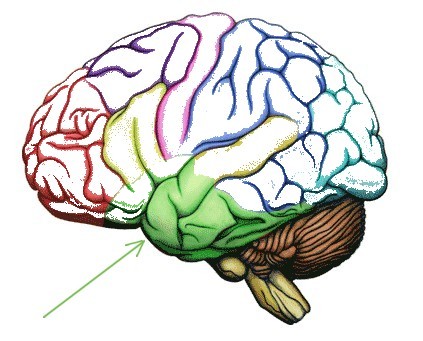 is the most common and most successful type of epilepsy surgery. In most cases, a modest portion of the brain is removed, measuring approximately 4 cm in length. The temporal lobes are important in memory and emotion. In addition, the upper and back part of the "language-dominant" temporal lobe, which is on the left in nearly all right-handed people and most left-handed people, is vital for language comprehension. The preoperative assessment ensures that removal of the area causing seizures will not disrupt memory or language functions. However, when surgery is performed on the left side, there is often a slight reduction in memory functions after the operation. In contrast, after right-sided (nondominant) temporal lobectomy, memory functions often improve slightly. The success rate for seizure control in temporal lobectomy is variable:
Therefore more than 85% of patients will enjoy a marked improvement in seizure control. Most will be on less medication after surgery. Approximately 20% of persons who are seizure-free are able eventually to discontinue antiseizure medication.
|




| Copyright | | | Disclaimer |
